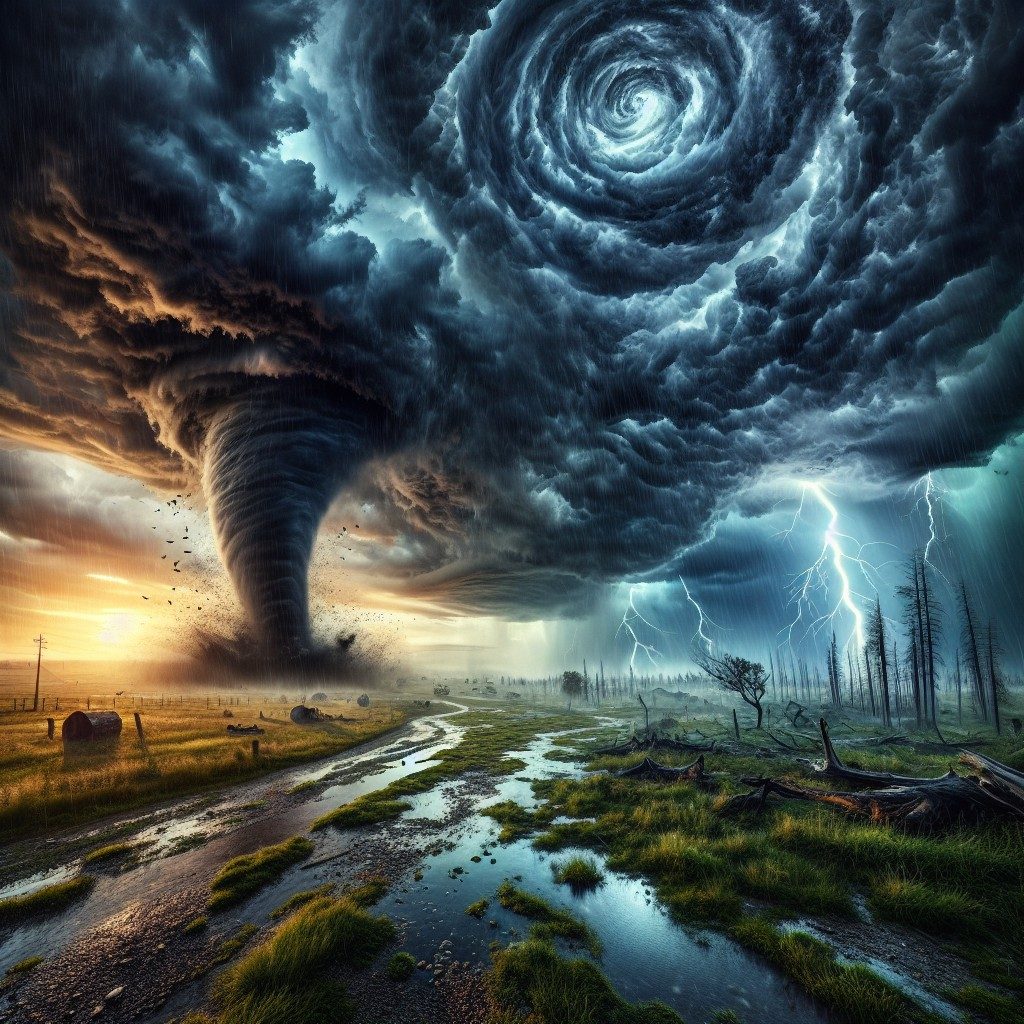
As the effects of climate change continue to unfold, climate scientists are raising alarms regarding the anticipated weather patterns for 2026. Recent Climate Analysis studies indicate that unprecedented weather phenomena could drastically affect global ecosystems, economies, and human health.
Rising Temperatures and Extreme Weather Events
According to projections from the Intergovernmental Panel on Climate Change (IPCC), average global temperatures are expected to rise by an additional 1.5 degrees Celsius compared to pre-industrial levels by 2026. This increase is linked to an escalation in extreme weather events, including heatwaves, heavy rainfall, and flooding. Coastal regions, particularly those around the equator, could experience more frequent and intense tropical storms, shifting weather patterns that threaten livelihoods and infrastructure.
Impact on Agriculture and Food Security
One of the most significant implications of these predicted weather patterns relates to agriculture. Experts in climate analysis stress that fluctuating temperatures and altered precipitation rates could result in reduced crop yields. Specifically, staple crops like wheat, rice, and maize may suffer from both drought and flooding conditions, leading to food shortages and higher prices. This situation poses a serious risk not only to food security but also to the economies of nations that heavily depend on agriculture.
Health Risks Emerged from Weather Patterns
The anticipated weather patterns for 2026 present a formidable challenge to public health systems worldwide. Increased temperatures are associated with a rise in heat-related illnesses and a resurgence of vector-borne diseases, such as malaria and dengue fever. Moreover, experts indicate that extreme weather events will likely straining healthcare resources, particularly in low-income countries, thereby exacerbating health disparities.
Conclusion and Future Outlook
In summary, the Climate Analysis reports indicate that the weather patterns anticipated for 2026 can potentially reshape social, economic, and environmental landscapes globally. As countries grapple with these potential crises, it is critical for governments, businesses, and individuals to adopt resilient strategies to adapt to these changes and mitigate their impact. While the future remains uncertain, awareness and proactive measures are essential to address the challenges posed by climate change.
Frequently Asked Questions about Climate Analysis
What does climate analysis involve?
Climate analysis involves studying weather patterns, temperature changes, and their impacts on the environment and society over time.
Why is climate analysis important?
Climate analysis is crucial because it helps us understand how climate change affects ecosystems, agriculture, and human health.
How are weather patterns expected to change in 2026?
Experts predict that weather patterns in 2026 will see significant increases in extreme temperatures, altered precipitation, and more frequent natural disasters.
Where can I find reliable climate analysis data?
Reliable climate analysis data can be found from reputable organizations like the IPCC and the National Oceanic and Atmospheric Administration (NOAA).
How can individuals contribute to better climate analysis?
Individuals can contribute to better climate analysis by staying informed, reducing their carbon footprint, and supporting scientific research on climate change.